
Youth-driven citizen science for healthy, climate-resilient Lagos
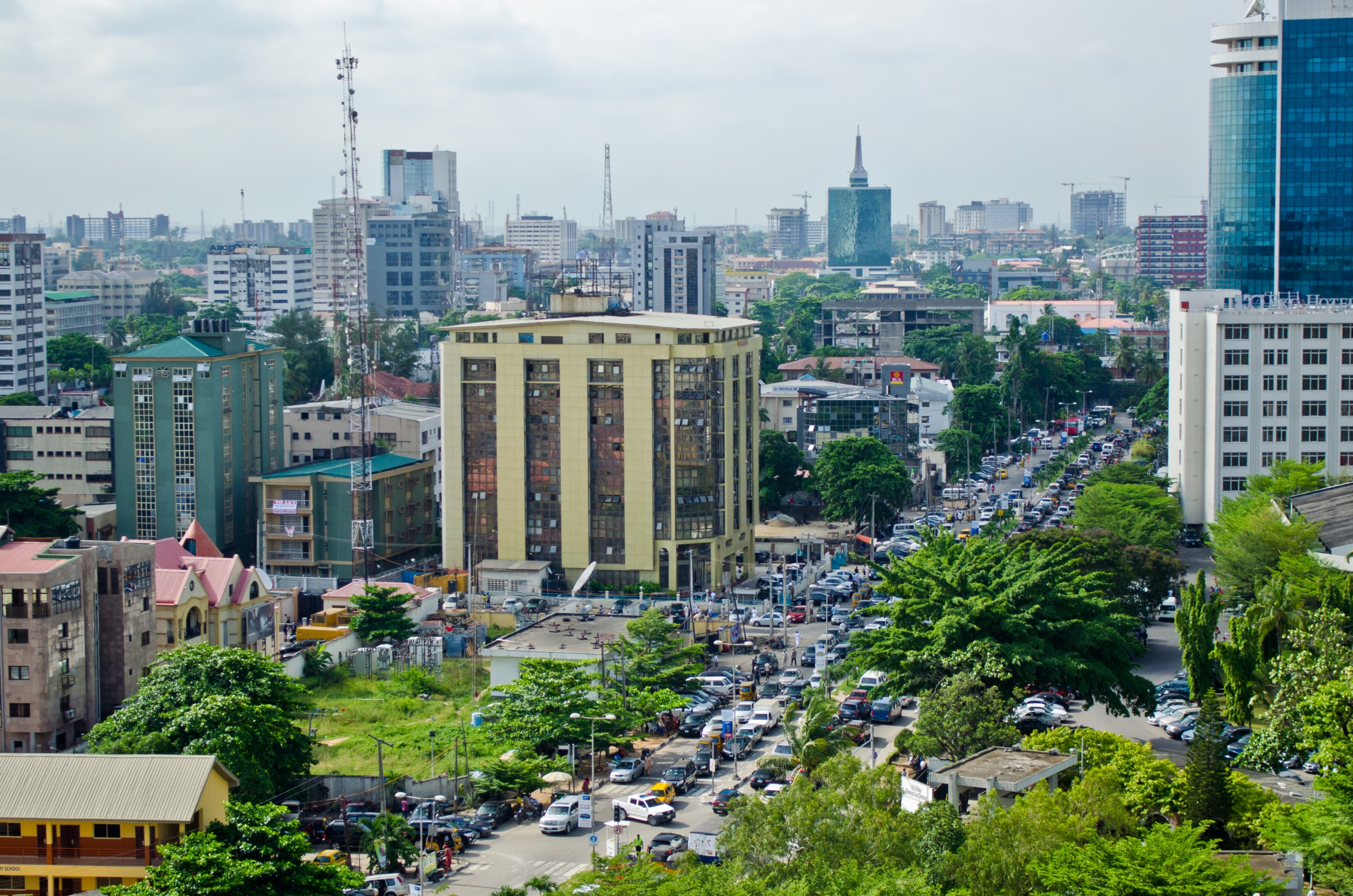
Climate change and air pollution pose significant and growing public health risks in rapidly urbanising cities, particularly in low- and middle-income countries. Lagos, one of Africa’s largest and most densely populated cities, faces severe challenges related to air pollution, extreme heat and flooding, alongside high burdens of communicable and non-communicable diseases and limited locally generated health and environmental data. Despite these risks, there remains a critical gap in context-specific evidence on exposure, health impacts and governance responses.
At the same time, Lagos is a predominantly young city. Young people aged 15 to 35 make up the majority of the population, representing a powerful but underutilised resource for urban transformation. This project responds to both challenges and opportunities by exploring how youth-led, technology-enabled citizen science can generate credible evidence while strengthening civic participation and influence in urban health governance.
Building on existing collaboration between the University of Cambridge, the University of Lagos and the Lagos Cityzens Hub hosted by the Lagos Urban Development Initiative, the project integrates air quality monitoring, physical activity and participatory data collection. It examines not only environmental exposures and risks, but also how engagement in citizen science-based advocacy affects young people’s political self-efficacy, civic participation and ability to engage decision-makers. The project aims to strengthen the evidence base for citizen science in African cities while laying the groundwork for replication and scaling across Nigeria and other urban contexts.