
Understanding the natural environment, and dispersal of microplastics in oceans and rivers
Our research into the natural environment includes modelling ice sheet dynamics and glacier melting into fjords, models of ocean mixing processes using numerical and experimental approaches, mountain building, magma flows, river systems and glacial hydrology.
A significant part of our research has been aimed at natural hazards, including modelling volcanic eruption flows and processes, such as the gas explosions at Stromboli volcano, ash plumes formed during explosive eruptions and avalanche dynamics of relevance for landslides and desert-blown sand.
We are also interested in the displacement and dispersal of sediment in the ocean via plumes, gravity currents, and turbidities, and in flood dynamics and mitigation, which leads to our research into microplastic pollution.
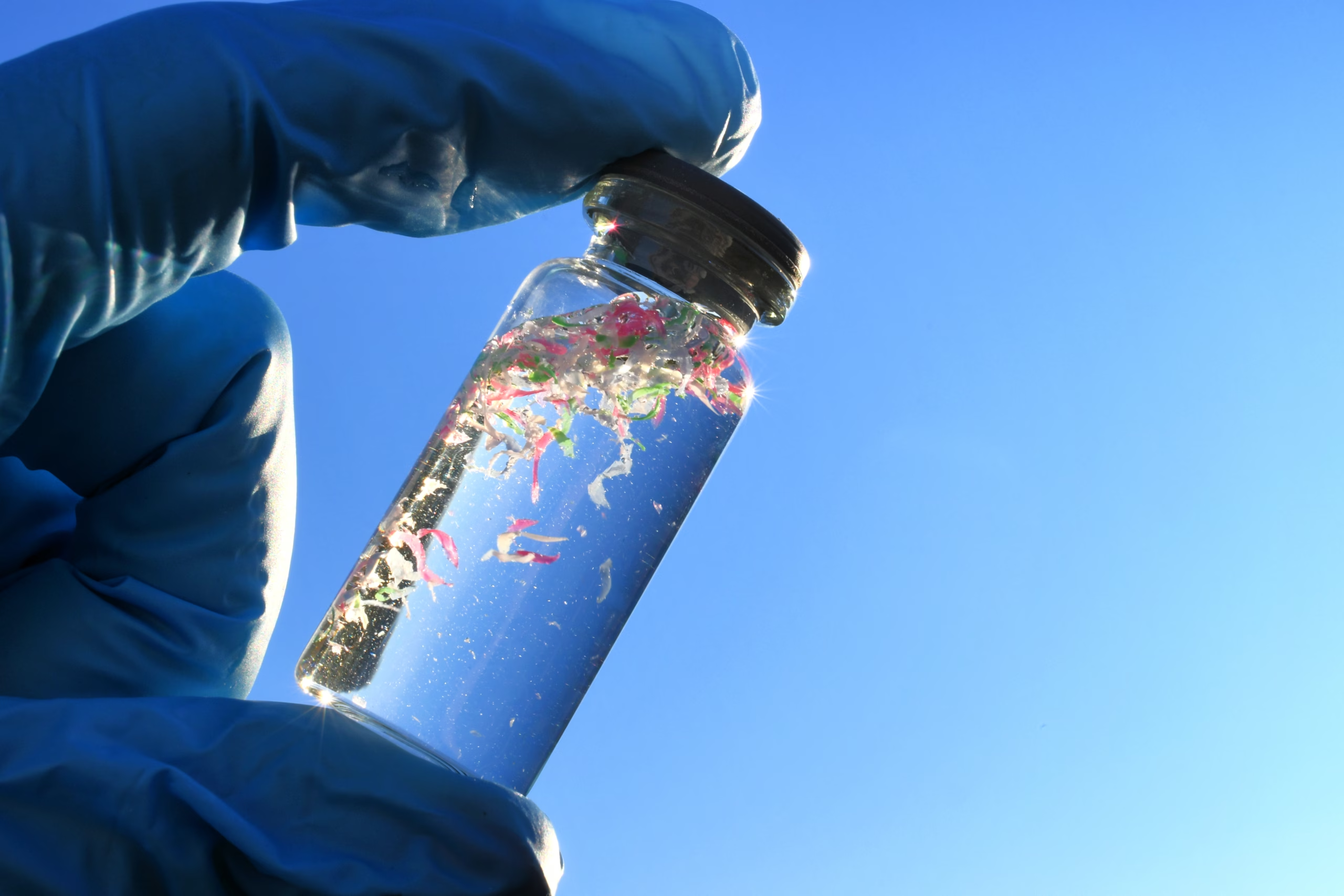
Microplastics have become pervasive pollutants with far-reaching environmental consequences. Once released into the marine environment, microplastics are transported by oceanic processes, influencing their distribution, residence time, and eventual accumulation in different ecosystems, but little is currently understood about how these particles move in the ocean. This movement determines where microplastics concentrate and also how they interact with marine organisms, potentially entering the food chain and causing harm to biodiversity and human health.
By improving our knowledge of how microplastics circulate in the ocean, scientists can better assess their ecological impacts and inform strategies for pollution prevention, mitigation, and sustainable ocean management. We are also running new laboratory experiments to investigate the transport of plastic particles in rivers as most plastic pollution reaches the ocean through polluted rivers. Catching the plastics while they are still in the river, thus preventing them from reaching the ocean, is important but difficult.