
Understanding the molecular mechanisms driving Sphagnum recalcitrance to engineer carbon storage through nature-based solutions
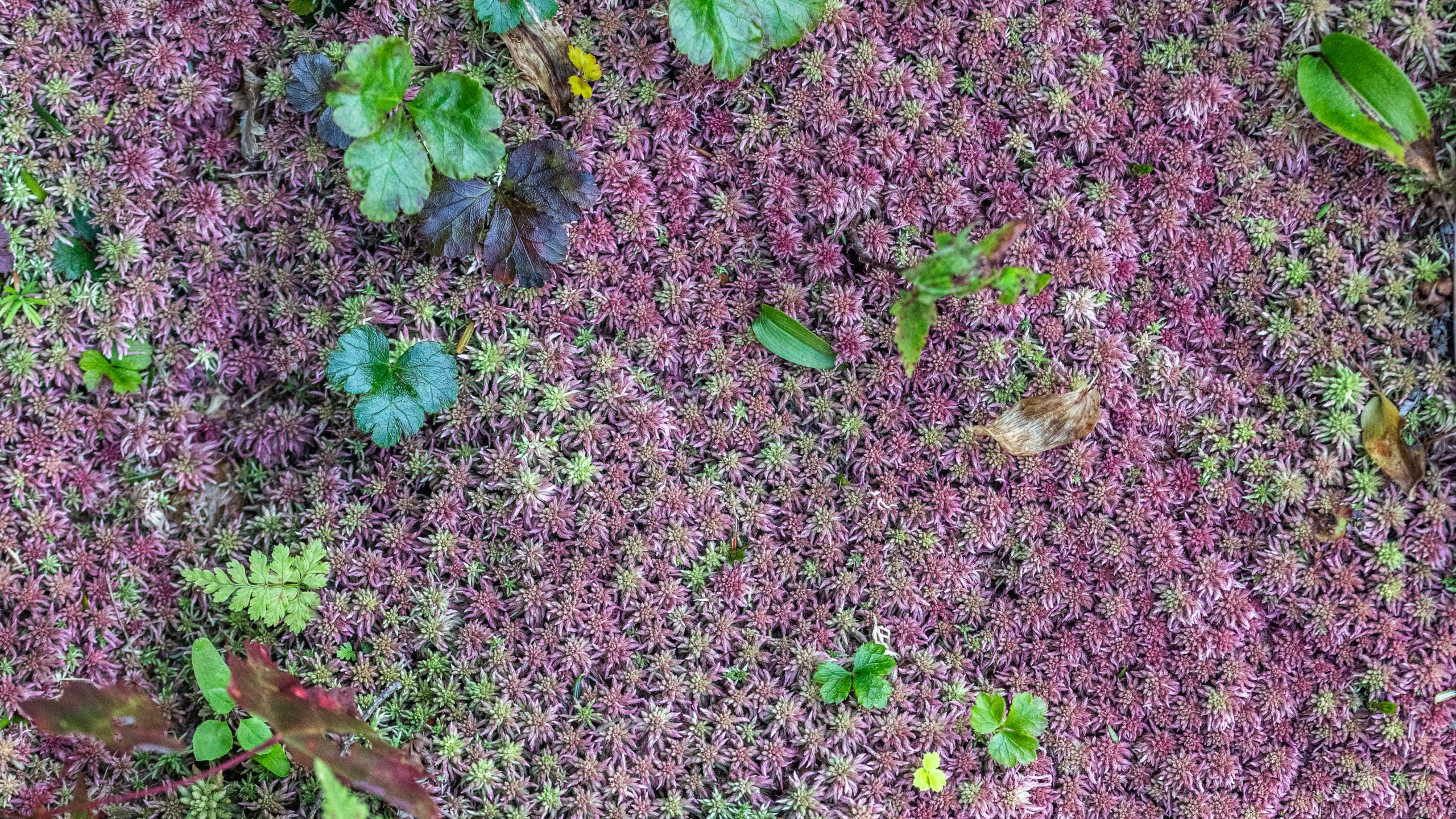
Sphagnum is the most important peat-forming plant on Earth, directly contributing to the sequestration of gigatons of carbon for millennia. However, whether the environment or specific compounds produced by Sphagnum confer such carbon storage properties remains largely debated. Sphagnum grows in acidic, anoxic, waterlogged soils which reduce the degradation of complex plant structures. Yet, many plants inhabit the same environment as Sphagnum, and microbes produce enzymes that can degrade most complex structures, except those derived from Sphagnum. Sphagnum produces distinct organic compounds (e.g., sphagnum acid) that are intrinsically more recalcitrant to microbial degradation. Additionally, the structure of polysaccharides produced by Sphagnum and how they interact with other cellular compounds might prevent microbes from decomposing Sphagnum organic matter, but empirical evidence is lacking.
In two large, highly collaborative projects, the Dupree Group is exploring how the environmental conditions and the biochemical structure of Sphagnum influence its recalcitrance. This is being done through the identification of microbes involved in the degradation of Sphagnum organic matter in natural and degraded peatlands and the subsequent use of ultra-high-resolution mass spectrometry to characterise how organic matter is transformed. Then, the researchers are growing Sphagnum in the lab and are leveraging solid-state nuclear magnetic resonance mass spectrometry and bespoke digestion assays to reveal how different organic compounds produced by Sphagnum interact. Taken together, the two projects are providing a fundamentally novel understanding about the processes driving Sphagnum recalcitrance. Such results will improve landscape regeneration and pave the way for engineering plants that best store carbon.