
Leveraging museum collections for understanding biodiversity change and informing conservation action
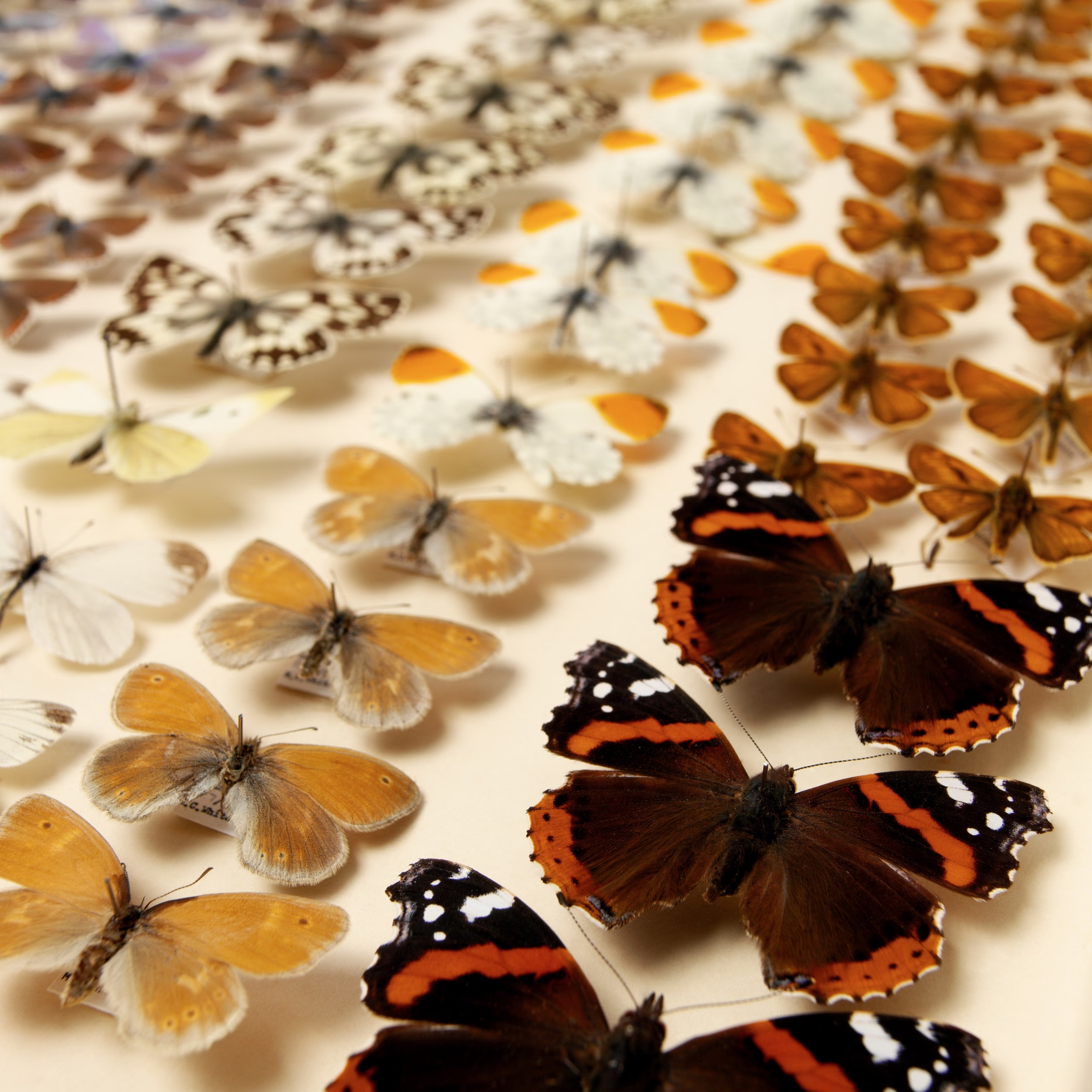
Effective conservation action requires biodiversity knowledge, and consequently is impeded by data gaps. Natural history collections are useful vaults of untapped long-term biodiversity data that can address these gaps and inform conservation. The Insect Ecology Group the collections housed with the Cambridge University Museum of Zoology to study long-term biodiversity change in insects, an incredibly important group of organisms for their services such as pollination and pest regulation. The power of using collections in this way is the ability to relate changes in biodiversity to known shifts in human threats over time and space, thus resolving a more accurate picture of how human activities impact insect species.
Currently, the group is conducting a large project focused on the UK moth collection, which examines long-term changes in species and communities related to street lighting, climate change and land-use. Part of this work includes 3D scanning and modelling of specimens to quantify changes in their physical traits. Long-term changes in Cambridgeshire include declines in specialist butterfly species relative to those species with more general habits, a major restructuring of aquatic insect communities and physical changes in the wings of elephant hawkmoths. This projects illustrates the utility of museum collections in determining how species have responded to past environmental changes, which in turn is invaluable data that plugs gaps and can be used to inform present-day conservation.