
Investigating the ability of the Cayman Islands to use their carbon stocks for conservation funding
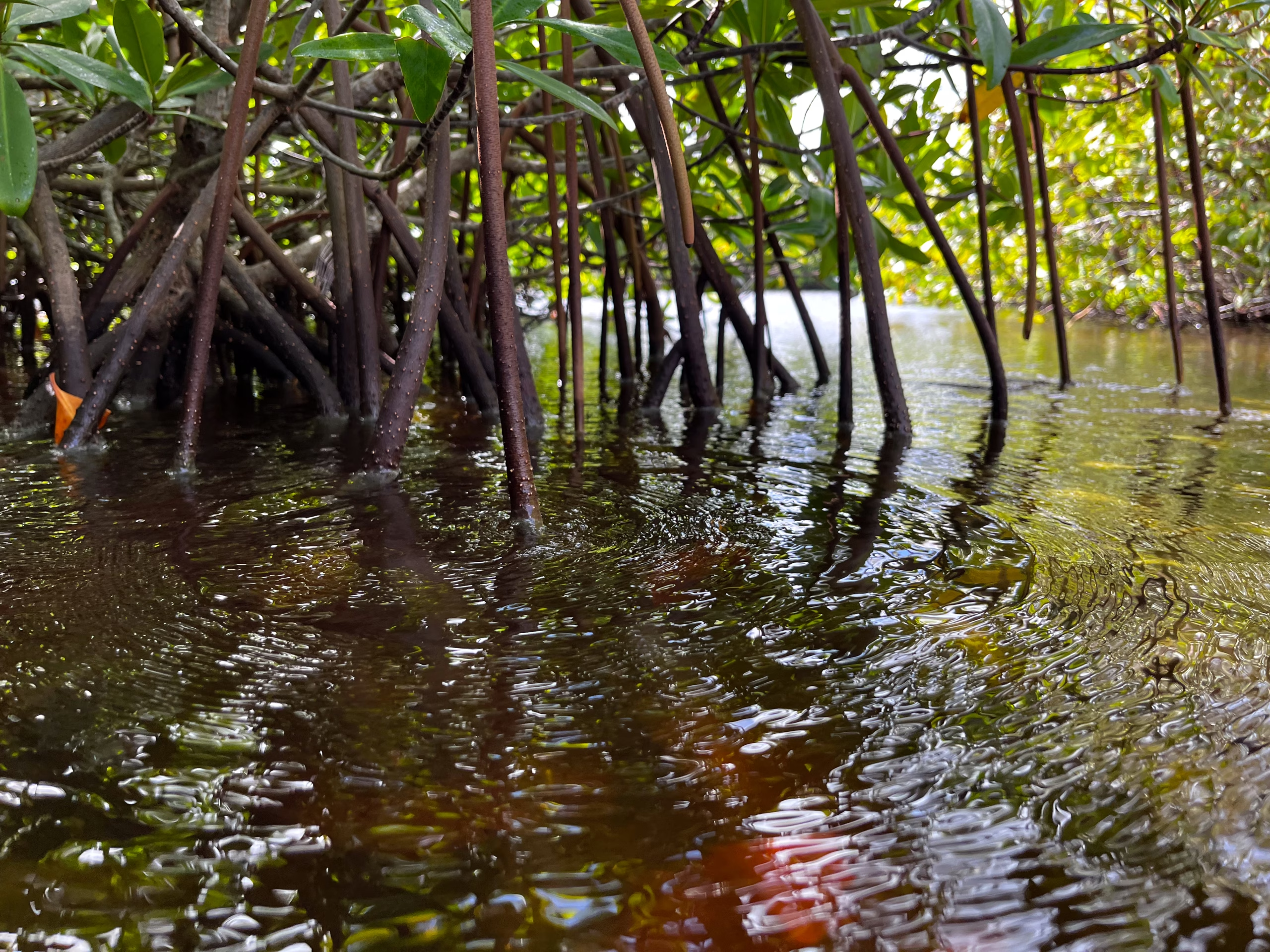
The pricing of carbon stored in ecosystems and the associated ‘payment-for-maintenance’ mechanisms through voluntary carbon markets are championed by many conservationists as a central element of global climate change mitigation. However, structural and institutional shortcomings stand in the way of this method gaining necessary traction on the global stage to achieve such mitigation.
This project uses the Cayman Islands as a case study to illustrate some of these shortcomings. It estimates the central mangrove wetland to hold ~8.35 million tonnes of CO₂, a figure that would deliver significant payments for maintained storage, but goes on to present three structural barriers to monetization at scale. These include much larger monetary returns on investment from alternative uses, ineffective governance and punitive measures for mangrove destruction and a significant vulnerability to sea level rise.
These findings reveal the more fundamental and potentially insurmountable barriers that face high-income Low Elevation Small Island States in pursuing nature-based climate adaptation of any kind. This calls for new policy responses aimed at addressing these issues.