
Enhancing relational values in teaching for human-climate co-benefits
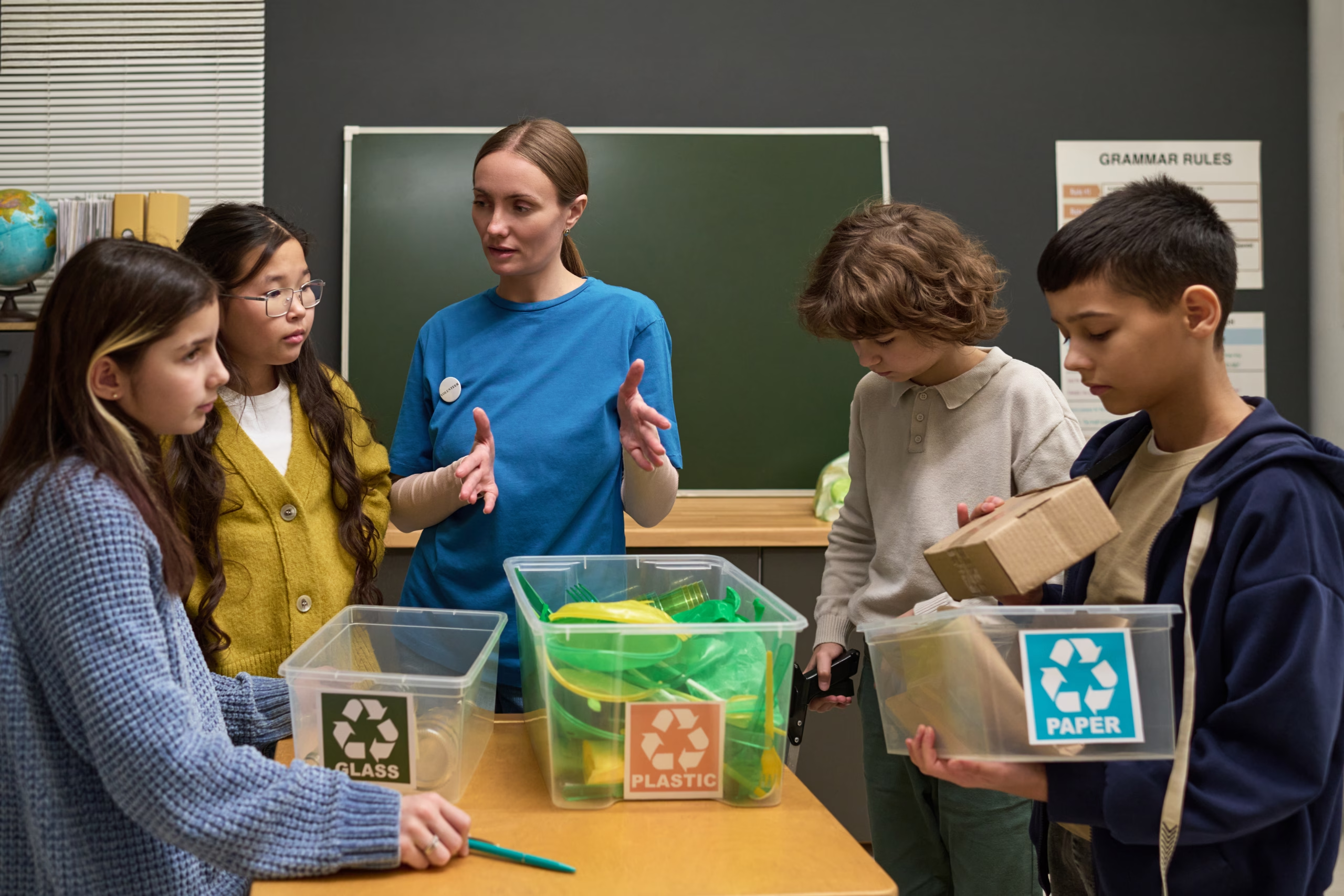
Climate solutions need more than technical knowledge and skills – they require durable social fabrics that can imagine, commit to, and sustain collective action. This project argues that relational teaching, such as practices that cultivate self‑regulation, secure attachment and dialogic trust, are foundational infrastructure for producing change that benefits people and mitigates climate change at personal, institutional and societal levels.
Drawing on university course pilots, the project shows how relational pathways strengthen resilience, improve cooperative problem‑solving and reduce polarising dynamics that stall climate action. These classroom practices translate into institutional outcomes: deeper civic engagement, ongoing curricular creativity, and stronger stewardship behaviours among students and staff. Investing in relational capacities as core educational outcomes builds the social infrastructure that turns knowledge into enduring collective climate action, with schools and universities fostering social resilience for planetary care.