
Developing Socially Beneficial Flood Infrastructure on Majuli
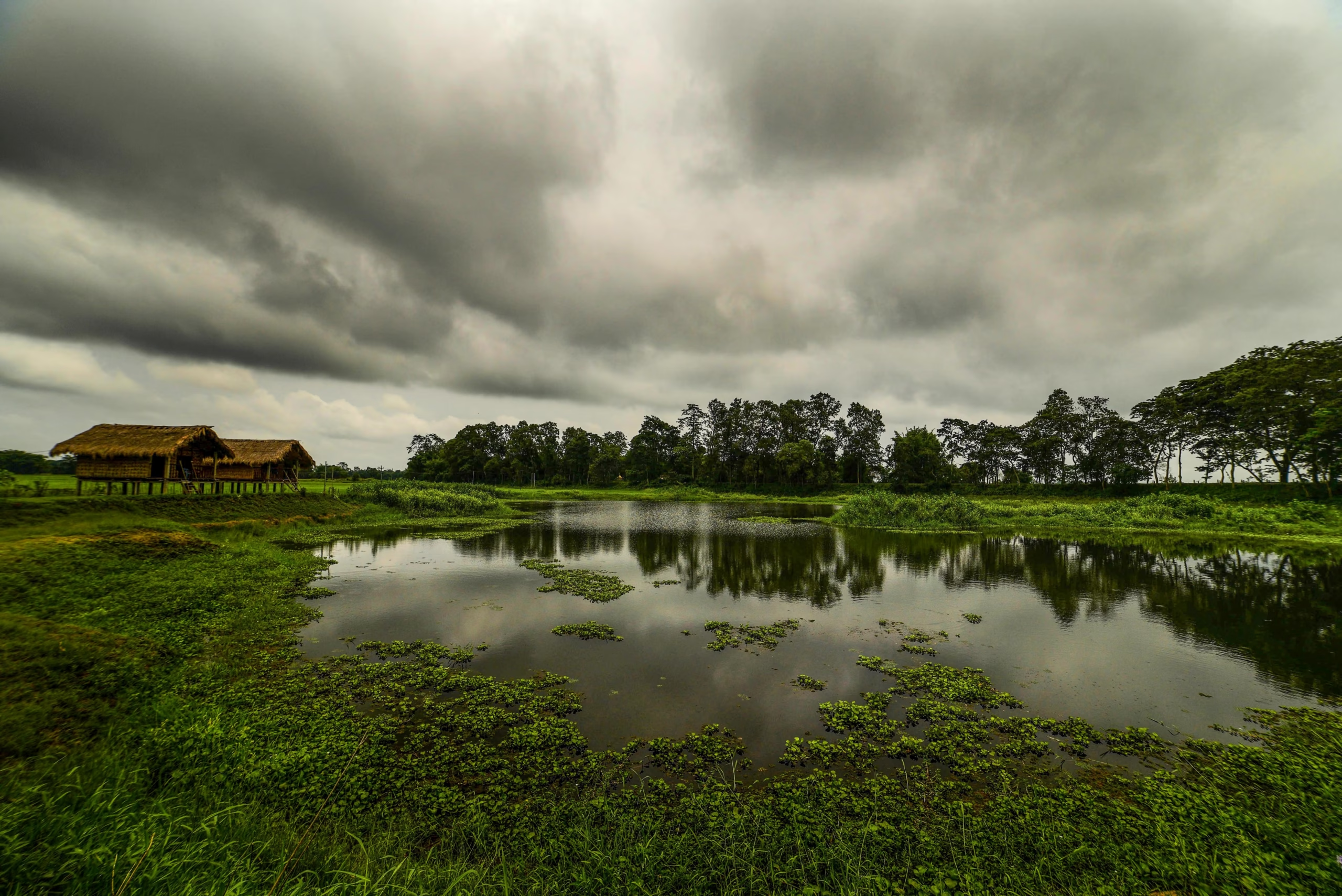
Caught between the volatile Brahmaputra River and decades of technocratic water management, the riverine island of Majuli is reaching a critical socio-ecological tipping point. Despite being designed to protect against climate-amplified flooding, state-imposed embankments have engineered unfavourable feedback loops that disrupt the historical water-use practices of the people that call Majuli home.
This research applies systems thinking and causal loop analysis to diagnose these infrastructural maladaptations, challenging the high-modernist paradigm that pathologises natural flood pulses. By proposing a relational design framework, this project advocates for building practices designed to ensure that the longstanding benefits of the natural hydrological cycle continue to be realised, alongside the mitigation of some of its risks. Ultimately, this work proposes appropriating state infrastructure to host the island’s rituals, achieving climate resilience by sustaining, rather than severing, the vital interdependence between Majuli’s inhabitants and the river.