
Adapting to Extreme Heat at Transit Hubs in Lagos: Hotsteppers
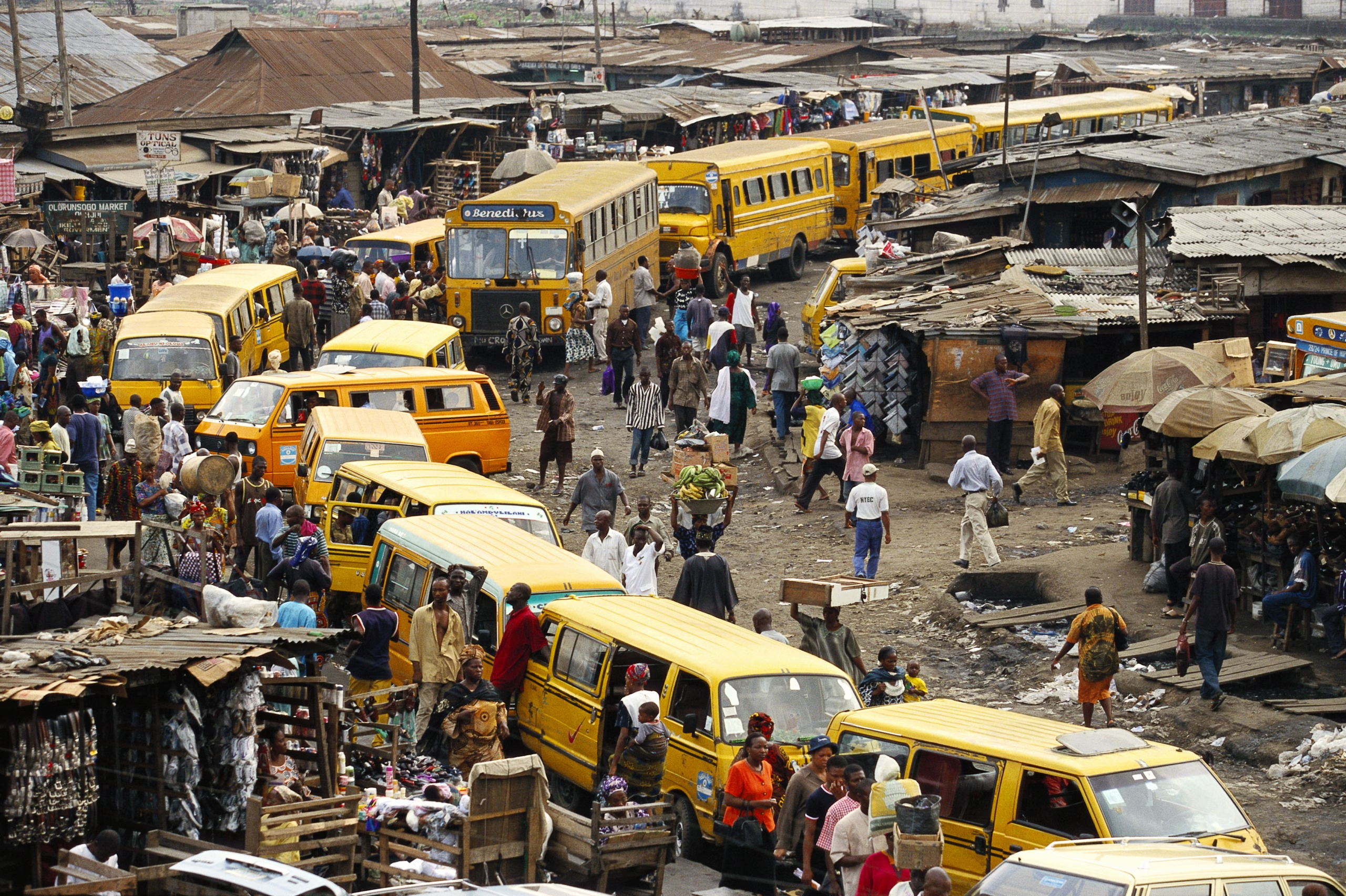
Extreme heat events are becoming commonplace as climate change worsens, with the greatest effects being felt in urban centers. The realised effect on city populations is made more significant by certain types of urban infrastructure, principally transit hubs. In Lagos, Africa’s largest city, transit hubs are convergence points for heat-vulnerable citizens. While these hubs raise concern over health risks from extreme heat, they are also key for making heat-related risks visible, therefore informing solutions.
Lagos State policies and draft health climate adaptation plans largely overlook extreme heat adaptation as a policy target, purportedly due to lack of evidence on heat-health risks and protective strategies. To close this evidence gap, data on why action is urgent (heat-health risks), who is most affected (and how they navigate heat), and how health can be protected (through transport infrastructure responses) is required.
This study will fill these gaps by synthesising evidence and generating data on the links between heat exposure, health, and the built environment. Through co-created communications and engagement strategies, the project will raise awareness, inform infrastructure interventions and catalyse action on heat-related health risks. By doing so, policy momentum will be leveraged to protect heat-vulnerable populations in Lagos.