
Pastoralist Cultural Heritage, Water Security and Wellbeing in Northern Kenya
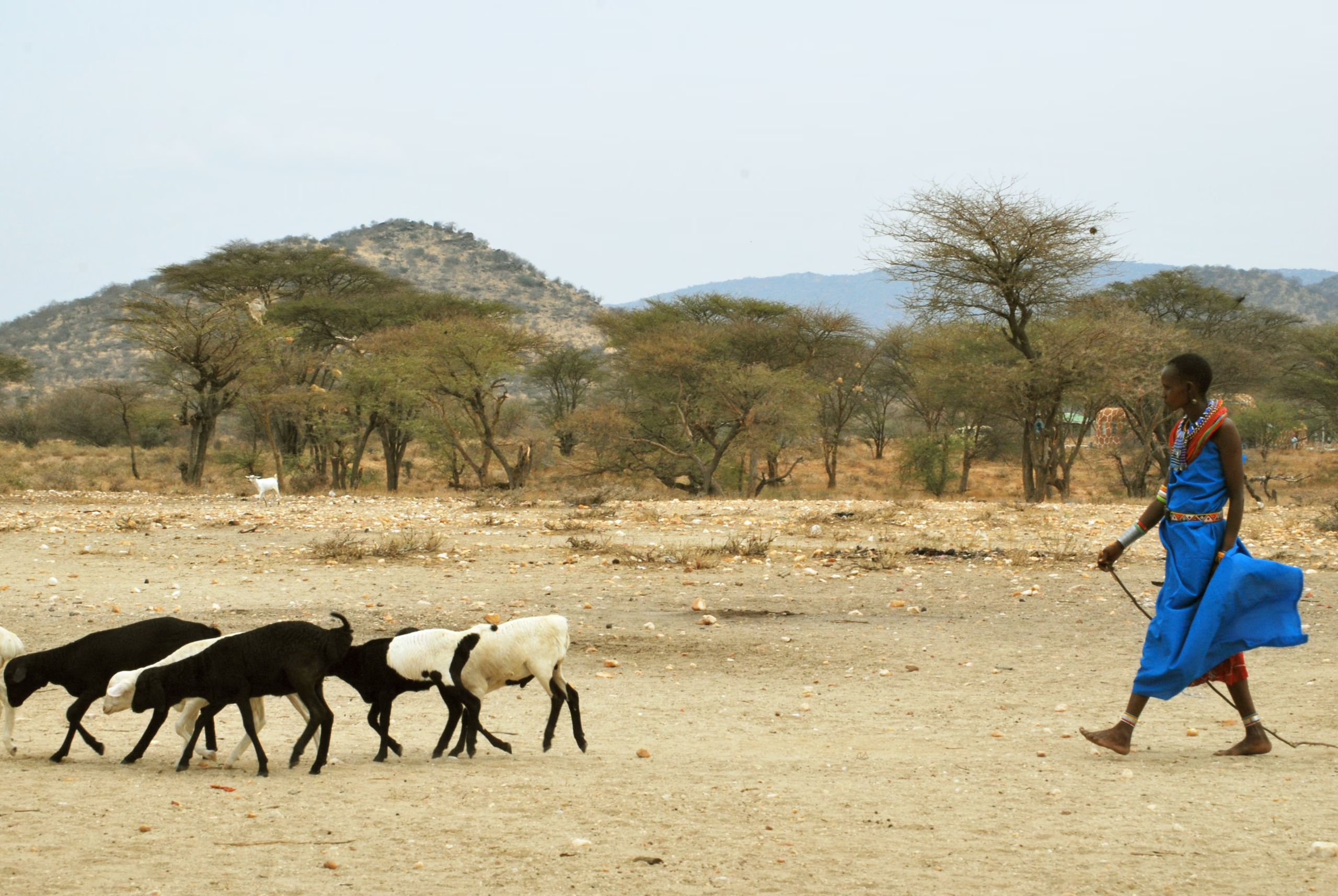
Climate change is a universal issue. However, this does not mean a universal approach can be applied when assessing options for mitigation or bolstering resilience. Instead, special care should be taken to not erase cultural heritage or traditional practices when attempting to help communities cope with the growing threat of climate change. In line with this objective, this project will outline the need for and the value of incorporating considerations of tangible and intangible cultural heritage and its protection into activities aimed at mitigating socio-ecological impacts of current climate change in eastern African pastoralist communities.
Reference will be made especially to an ongoing, collaborative community archaeology project initiated in 2018 involving community representatives from three pastoralist societies (Boran, Gabra and Rendille) currently occupying arid and semi-arid areas of northern Kenya. This project is specifically geared toward knowledge co-creation with pastoralist groups and other heritage stakeholders, skills transfer, secondary and primary education on local cultural heritage, and the development of policy guidance for state actors, local government departments and non-government organisations (NGOs) on the importance of integrating care and protection of tangible and intangible cultural heritage into sustainable development planning and related initiatives.