
Why conservation matters for pandemic prevention
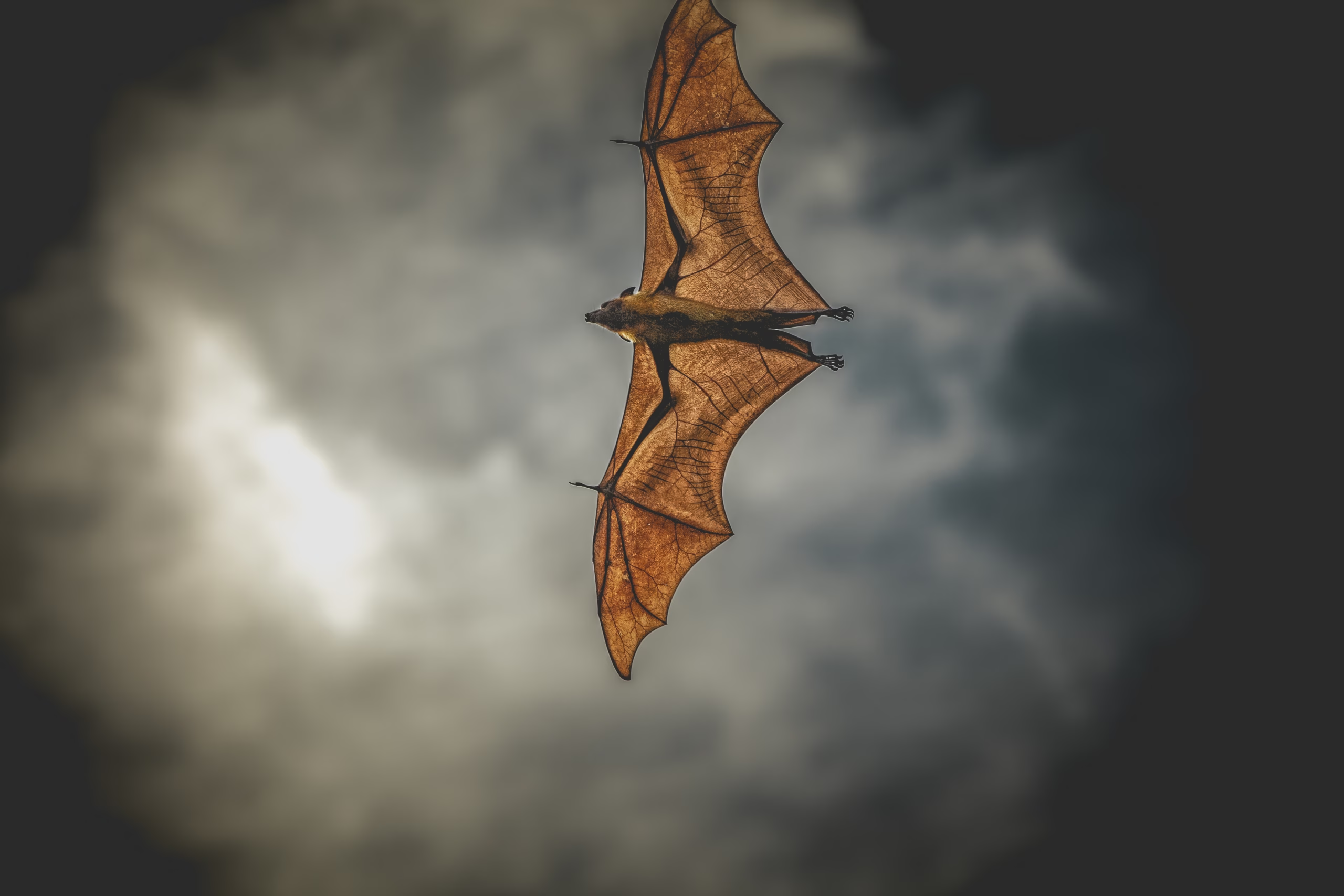
Most emerging diseases threatening global health and livelihoods have their origin in wildlife: from rabies to avian influenza, Ebola and most recently COVID-19. However, it is largely human activity that creates the conditions for pathogens to spread from species to species. While there has been much emphasis on wildlife trade as a source of viral spillover, the gradual destruction and disruption of natural habitats brings wildlife closer to humans and domesticated animals. Furthermore, increased stress from climate change and food scarcity weakens wild animals’ immune defences against pathogens, making them more likely to spread disease.
Using the case study of Australian flying foxes (fruit bats) and the Hendra virus, this project will illustrate how an interdisciplinary One Health approach to disease and conservation can help find win-win strategies to deal with the combined threats of climate change, biodiversity erosion, and emerging diseases.