
Investigating Arctic Sea Ice Thickening
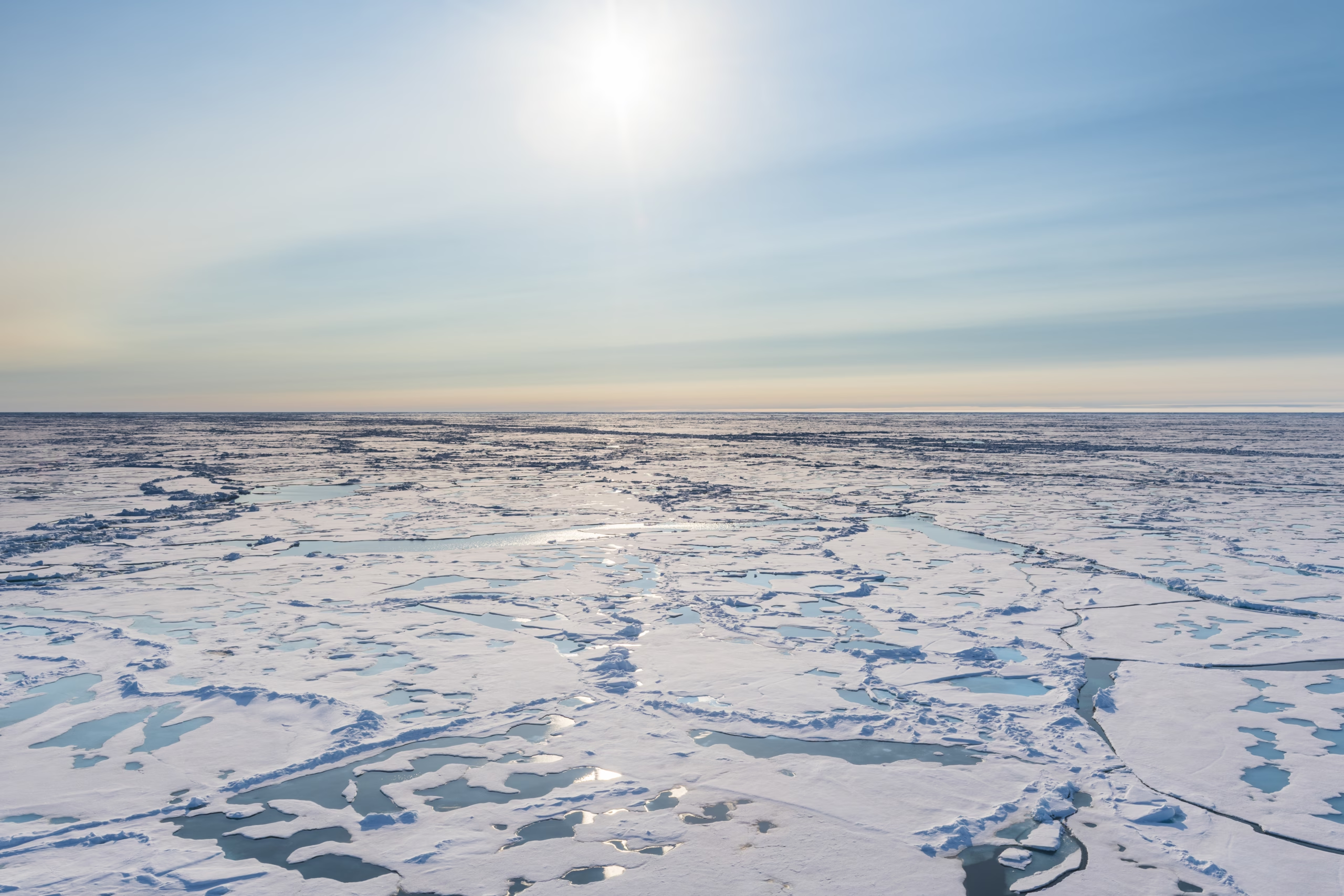
Arctic sea ice is crucial for regulating global temperatures, as the bright white surface of the ice reflects solar radiation back into space, which cools the planet. Conversely, the dark surface of the ocean that replaces the sea ice when it melts absorbs radiation and warms the planet. The Arctic has experienced unprecedented rates of warming over the past few decades at nearly three times the global average, which has resulted in the sustained loss of sea ice. These changes set the conditions for a positive feedback loop, where climate warming results in less ice, resulting in further climate warming, and so on. Reducing arctic sea ice melting therefore offers an effective pathway to mitigating global climate change.
While reducing emissions is the only way to preserve the ice over the long term, additional localised actions may help to slow the alarming rate of melting. This project investigates the potential to artificially increase sea ice thickness directly by pumping sea water onto the cool ice surface, as well as by mitigating the reduced freezing effect that comes from porous snow on top of the sea ice. Together, these local interventions could act to reduce global warming through the maintenance of arctic sea ice.